

UNESCO Heritage
Pantalica, officially known as the Rock Necropolis of Pantalica, has been on the UNESCO World Heritage List since 2005. Located between the municipalities of Sortino and Ferla, in the province of Syracuse, this necropolis is one of the most extraordinary archaeological sites in Sicily.
Pantalica is famous for its ancient necropolis, dug into the limestone rock starting in the Bronze Age. These rock tombs, which stretch for several kilometers along the valley walls, testify to the presence of a flourishing civilization that inhabited these places for centuries. A visit to the necropolis is a unique and evocative experience that allows you to immerse yourself in the history and spirituality of an ancient people.
But Pantalica is not only archaeology. The nature reserve that surrounds it offers an extraordinary variety of flora and fauna, with paths immersed in greenery that wind through forests of oaks, holm oaks and carob trees. Walking along these paths, you can admire rare and beautiful plants such as the Iris sicula and the Orchid of Pantalica, but also cross foxes, porcupines and birds of prey such as the peregrine falcon.


The Origins of Pantalica
The history of Pantalica is a millennia-long narrative, beginning in the Ancient Bronze Age (about 13th century B.C.) and continuing through the Byzantine period into the Middle Ages. This area was chosen as a burial site because of its strategic location and difficult access, which offered protection against invaders. The necropolis of Pantalica includes tombs from different periods, reflecting changes in the funerary practices and social structures of its inhabitants. The oldest tombs are simple pits, while more recent ones are elaborate burial chambers.
During the Iron Age (9th-8th centuries B.C.), Pantalica became an important political and cultural center, as evidenced by the complexity of its housing structures and the richness of its grave goods. Greek influence, followed by the arrival of the Byzantines, introduced new architectural and artistic elements, which can be observed in the village ruins and in the religious practices that evolved over time.
Recommended routes
The Pantalica tour usually begins at the visitor center, where participants can acquire maps and informational guides. Here, a brief historical introduction prepares visitors for immersion in the site’s antiquity.


Necropolis of Pantalica
The necropolis, which contains more than 5,000 rock-cut tombs, stretches along the steep sides of the gorges of the Anapo River and its tributaries. The tombs are of various shapes and sizes, some simple and others more elaborate, indicating the social rank of the deceased. During the tour, an experienced guide will explain the history and importance of the site, giving an overview of the life and customs of the ancient people who inhabited this area. This route is slightly more challenging, but gives spectacular views of the gorges.
The Anapo Valley
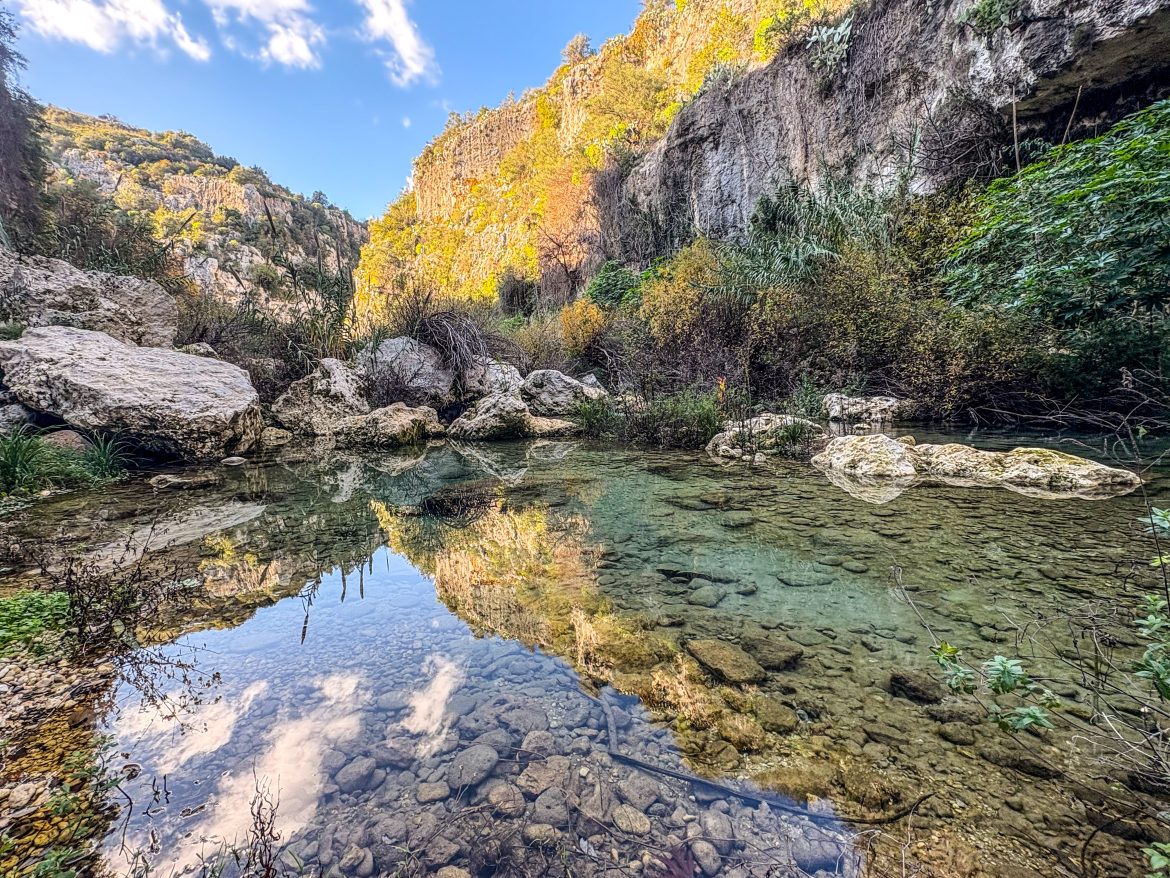
After exploring the tombs, the tour can continue with a walk along the banks of the Anapo River. This area is ideal for birdwatchers and those who appreciate Mediterranean flora. The crystal clear waters of the river invite moments of reflection and relaxation, surrounded by lush nature. A flat hike among the greenery, also ideal for young children.
The Byzantine village
Continuing on, you reach the remains of the Byzantine village, where you can explore the prince’s palace and the church of St. Mycidiarius. These buildings offer a window into the daily life and domestic and religious architecture of the medieval period.
Bat Cave
The tour can also include a visit to the Bat Cave, an ecologically significant site that is home to several species of bats, illustrating the importance of Pantalica from a biological standpoint as well.
The surrounding area is dotted with picturesque rural villages, where time seems to stand still and where you can taste the authentic flavors of Sicilian cuisine. In Ferla, a small town perched on a hill, you can visit the ethno-anthropological museum and taste the famous local bread, baked in wood-fired ovens according to ancient recipes. In Sortino, another charming medieval village, you can admire the Baroque churches and taste the renowned honey of sulla, produced by the bees that forage the flowers of this wild plant.
Advice for visitors
Wear comfortable shoes and appropriate clothing for walking over rough terrain. Temperatures can vary widely, so it is advisable to dress in layers.
Spring and fall are ideal times to visit Pantalica, due to the mild climate and lush nature. Summer can be very hot, so it is advisable to plan your visit during the cooler hours of the day.
Bring enough water and a light snack, as there are no refreshment stations along the way.
It is advisable to book a guided tour to fully appreciate the history and archaeology of the site.
For a more in-depth visit, consider joining a guided tour. Local guides can offer valuable information about the history and geology of the site, greatly enriching the experience.
Official website of the Archaeological Park of Pantalica
Would you like to explore Pantalica and southeastern Sicily from a private villa?
Casa Farlisa is the ideal starting point for exploring the Val di Noto region. Discover our villa with a private pool in Scicli and book directly through our official website.